

By Jeremy Scott, Jeremy Scott Tax Law
Navigating the complexities of a “CRA tax audit” can be a daunting experience for many Canadian taxpayers. Whether you’re facing an audit as an individual or as part of a business, understanding the intricacies of the process is crucial. This article aims to provide a comprehensive guide on selecting the right tax lawyer in Canada specifically for CRA tax audit representation. Readers will discover the key factors to consider when making this important decision, the meaning and implications of the CRA tax audit process, their legal rights and obligations during an audit, and effective dispute resolution strategies available to taxpayers. Having the right legal support can not only alleviate stress but also significantly improve outcomes during a tax audit.
To select the right tax lawyer in Canada for CRA tax audit representation, consider the following important factors:
Selecting a competent tax lawyer for CRA audit representation requires careful consideration of several important factors that align with your unique circumstances.
- Qualifications of the Lawyer: Ensure the lawyer has appropriate qualifications and experience in Canadian tax law, particularly in handling CRA audits.
- Experience in Handling CRA Audits: Look for evidence of the lawyer’s experience dealing specifically with CRA tax audits, as this directly impacts their effectiveness.
- Researching Client Reviews: Check for reviews and testimonials from previous clients to assess the lawyer’s track record and client satisfaction.
These criteria are essential in finding a “tax lawyer in Canada” who not only understands the complexities of tax law but also has the strategic insight needed for successful representation.
What Is the CRA Tax Audit Process and How Does It Impact Canadian Taxpayers?
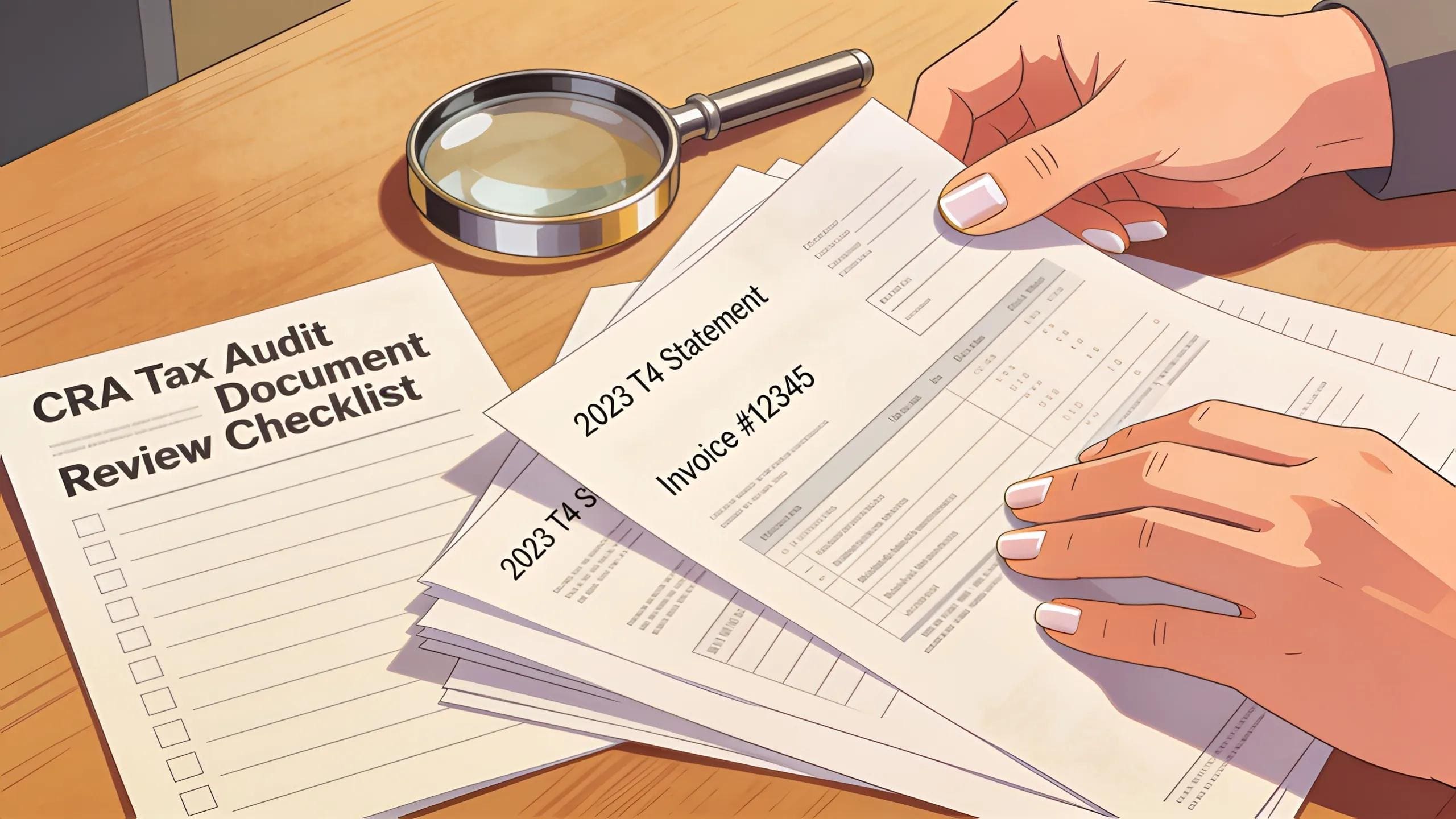
The CRA tax audit process is a thorough examination of a taxpayer’s financial records and compliance with tax laws by the Canada Revenue Agency (CRA). It is initiated to ensure transparency and accuracy in tax reporting. During an audit, the CRA may review documents, explanations, and other evidence from taxpayers to validate their tax position.
What Are the Key Stages in a CRA Tax Audit?
The key stages in a CRA tax audit include:
- Initial Selection: The CRA selects taxpayers for audit based on various risk factors and algorithms.
- Document Requests: Taxpayers are notified of the audit and required to provide specific financial documents.
- Final Report: Once the audit is complete, the CRA issues a report detailing findings and any adjustments to taxes owed.
Understanding these stages can help taxpayers prepare accordingly and mitigate potential issues that may arise during the process.
What Are Your Legal Rights and Obligations During a CRA Tax Audit?
Taxpayers in Canada have specific legal rights and obligations when subjected to a CRA tax audit.
What Obligations Must You Fulfill Under Canadian Tax Law During an Audit?
During a CRA tax audit, taxpayers are obligated to:
- Provision of Financial Documents: Provide all requested documentation relevant to the audit.
- Timely Compliance with Requests: Respond to CRA inquiries within specified time frames to avoid penalties.
It is essential to recognize these rights and obligations, as they serve to protect taxpayer interests while complying with legal requirements.
How Do You Select the Right Tax Audit Defence Lawyer in Canada?
Choosing the right tax audit defence lawyer involves assessing their qualifications and approach to handling tax audits effectively.
- Researching Qualifications: Verify the lawyer’s credentials and any specializations related to tax law.
- Reviewing Experience: Consider the lawyer’s past experiences with similar cases, focusing on their success rates.
- Assessing Communication Skills: Opt for a lawyer who communicates clearly and is responsive to client needs.
These considerations ensure you select a lawyer who can provide tailored guidance throughout the audit process.
How Does Jeremy Scott Tax Law Provide Specialized CRA Audit Legal Representation?
Jeremy Scott Tax Law specializes in offering expert consulting and legal representation specifically for CRA tax audits.
- Personalized Approach: The firm engages with clients to understand their specific situation and provides tailored strategies for audit defence.
- Expertise in Tax Audits: They focus on resolving tax disputes efficiently, utilizing their extensive knowledge in tax law.
- Success Rate in Representation: With a proven track record, “Jeremy Scott Tax Law” aims to achieve favourable outcomes for clients facing CRA audits.
Those seeking expert legal counsel for CRA tax audits can benefit greatly from their specialized services.
What Are Effective Tax Dispute Resolution Strategies and Legal Options in Canada?

Effective tax dispute resolution strategies are essential for taxpayers who find themselves in conflict with the CRA regarding audit findings or tax assessments.
- Negotiation Strategies: Direct negotiations with the CRA can lead to settlements that are amicable and beneficial for both parties.
- Formal Appeals: If disagreements persist, taxpayers have the option to formally appeal CRA decisions through established legal channels.
- Alternative Dispute Resolution: Exploring mediation or arbitration can provide quieter, less adversarial means to resolve tax disputes.
These strategies highlight the importance of understanding the various options available to taxpayers for effectively addressing issues that arise during and after the audit process.
What Recent Trends Affect Tax Dispute Resolution in Canada from 2024 to 2026?
Recent trends indicate that there are increasing complexities in tax dispute resolution, particularly as the landscape of tax law shifts.
- Increased CRA Audits: There has been a noticeable rise in the frequency and intensity of CRA audits targeting both individuals and businesses.
- Changes in Tax Law: New regulations and changes in policies are often introduced, which can affect dispute outcomes.
- Emerging Practices in Dispute Resolution: Taxpayers are increasingly leveraging technology and innovative approaches to facilitate better resolution outcomes.
Understanding these trends is vital as they embody the evolving nature of tax law and compliance expectations, which can impact future audit experiences and resolution strategies.